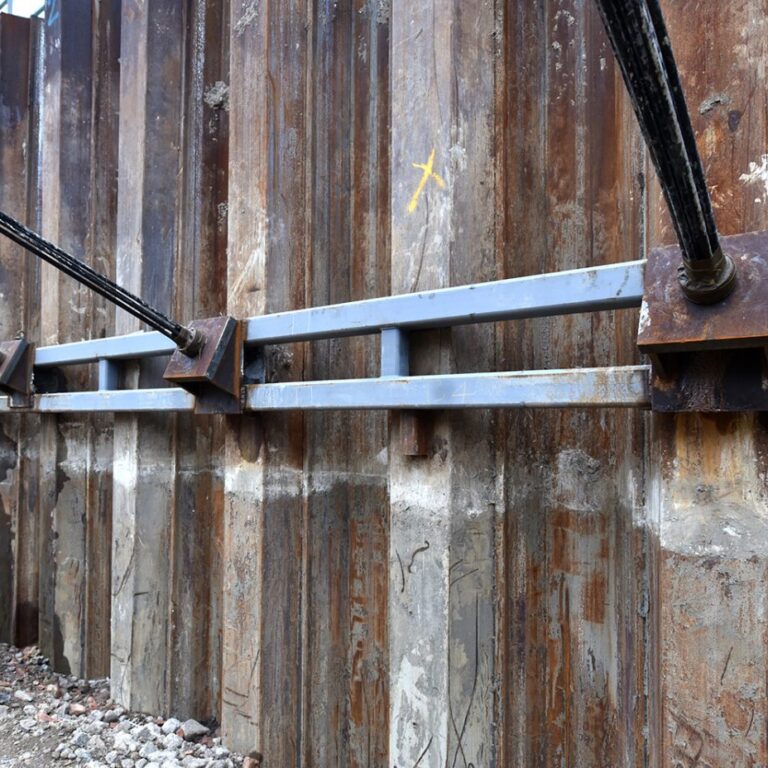
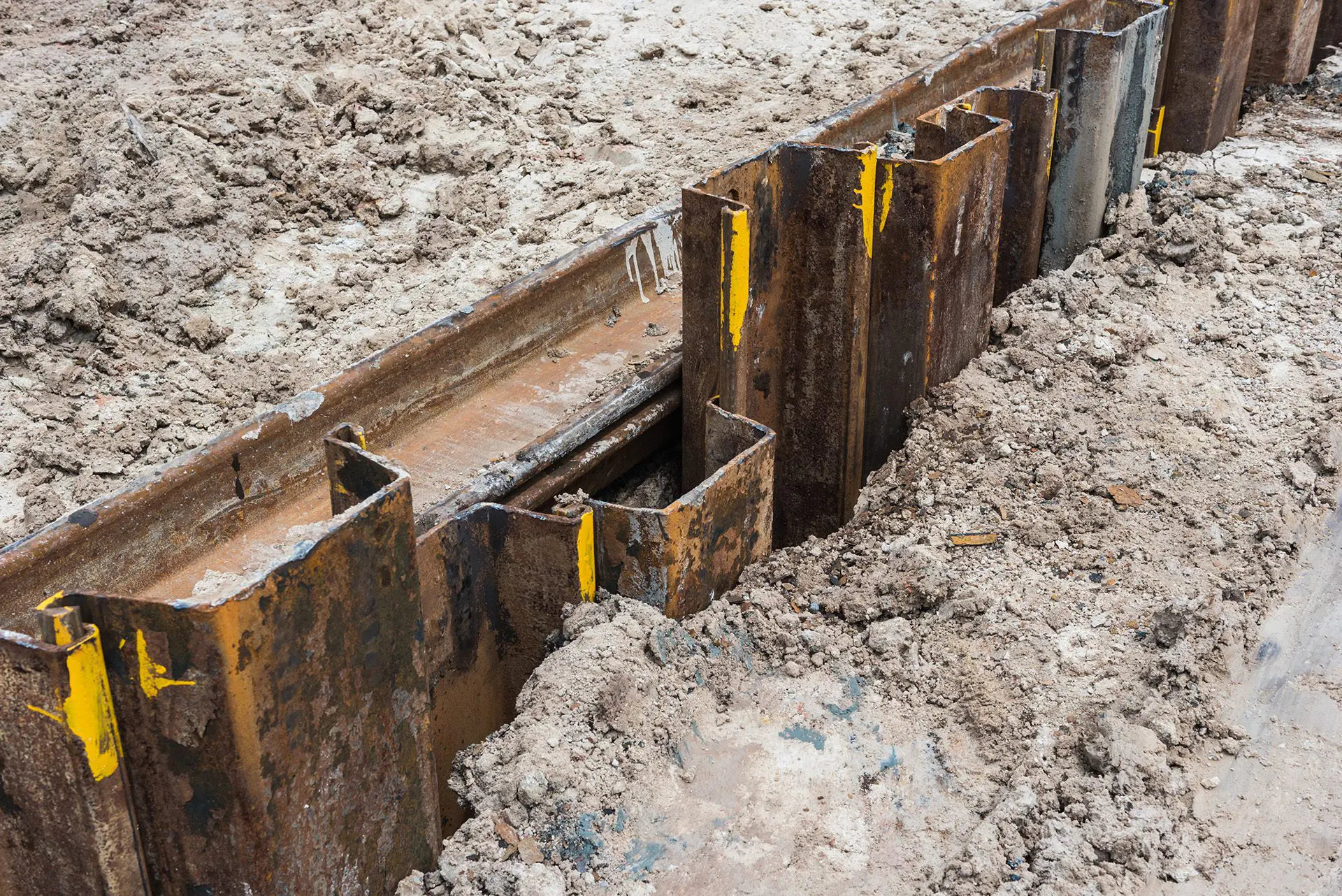
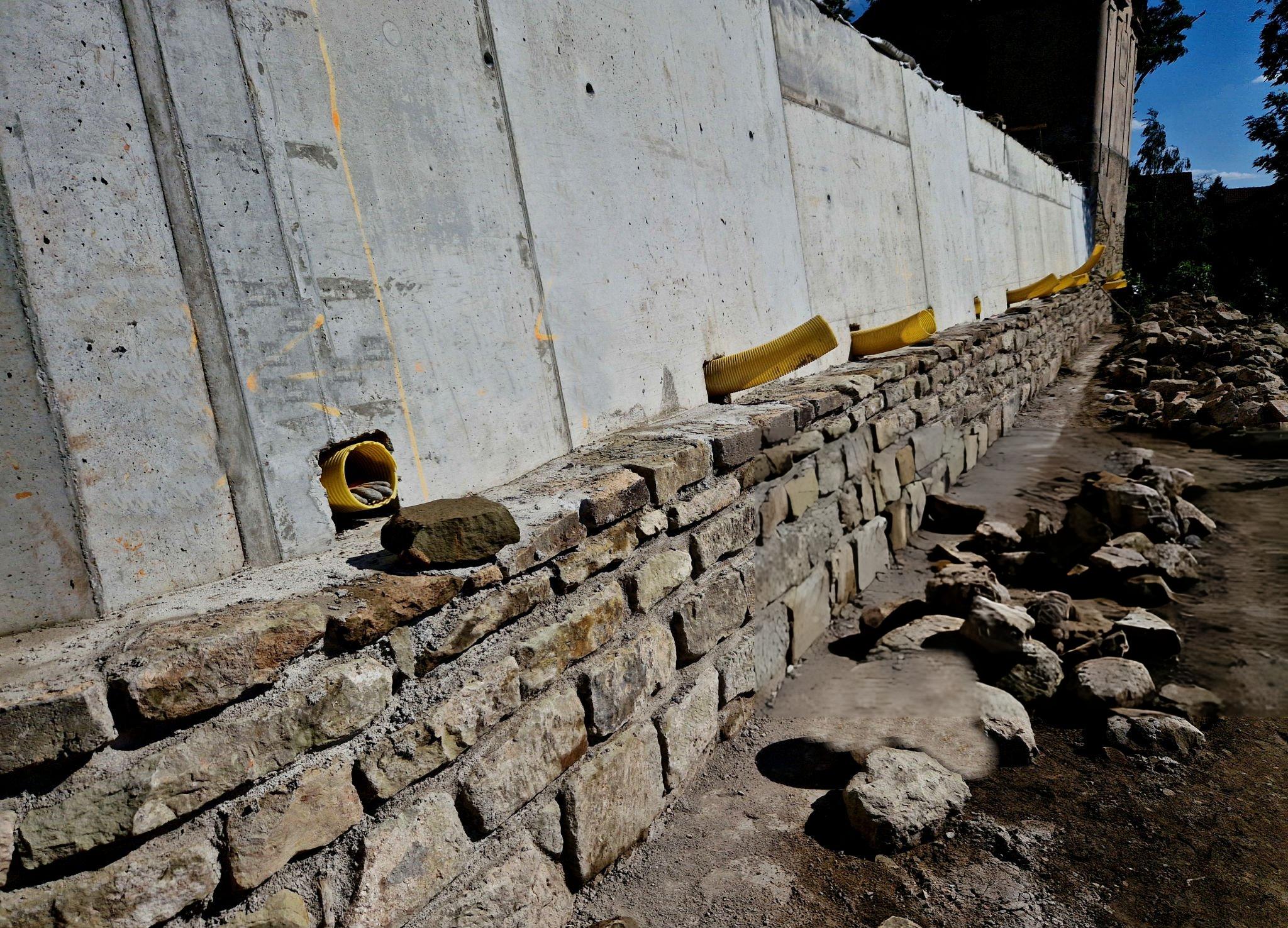
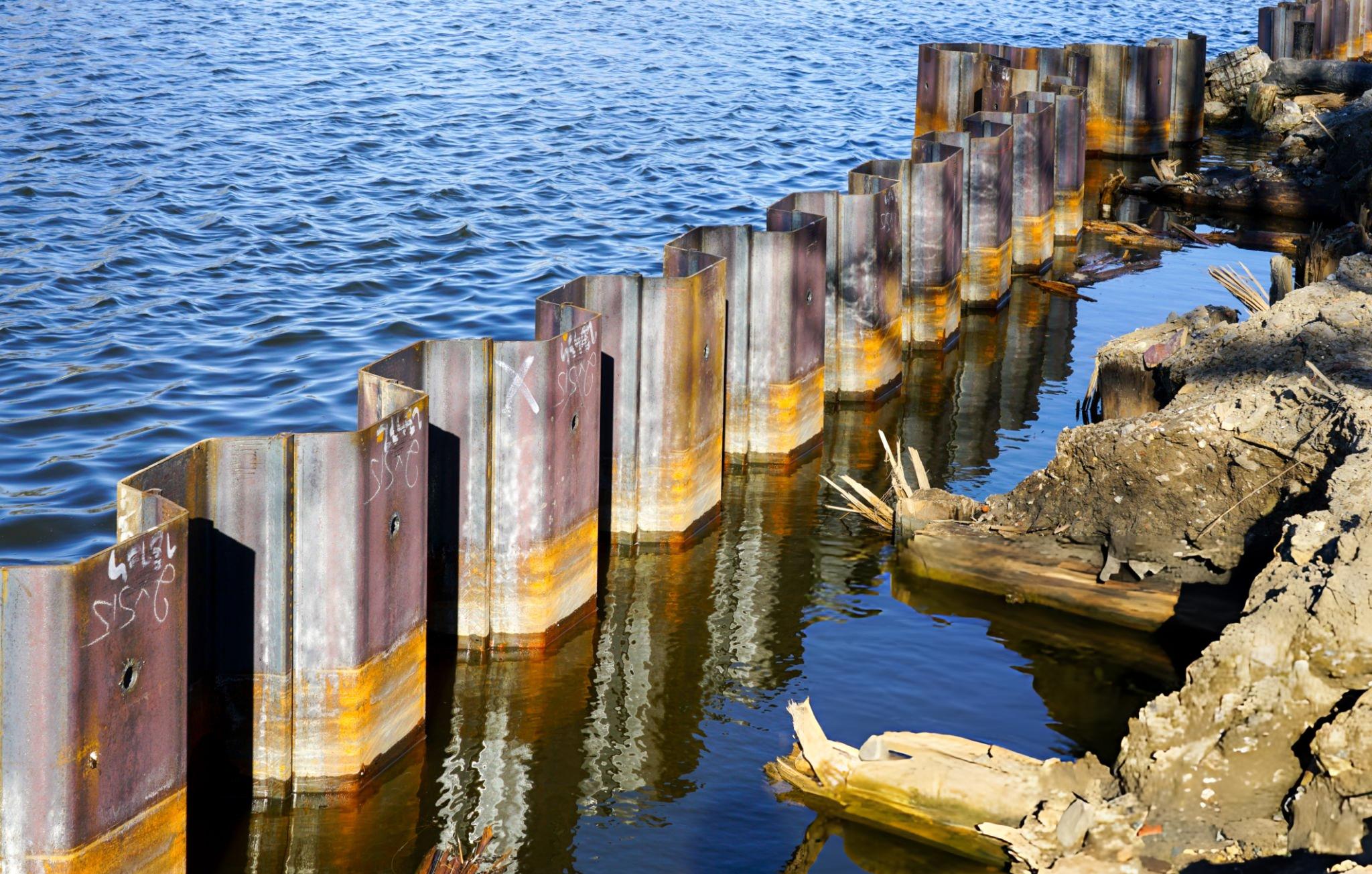
Sheet pile walls are retaining walls constructed to retain earth, water or any other filling materials. These walls are thinner in section compared to masonry walls. Sheet pile walls are generally used for following: 1. Water front structures, i.e. in building wharfs, quays and piers. 2. Building diversion dams, such as cofferdams 3. River bank protection 4. Retaining the sides of cuts made in earth Sheet pile walls can be of timber, reinforced concrete or steel. Timber sheet piles are generally used for short spans and to resist light lateral loads. They are mostly used for temporary structures such as braced sheeting in cuts. When timber sheet piles are used in permanent structures above water level, they require preservative treatment and even, but still their life span is relatively short. Timber sheet piles are joined to each other by tongue and grove joints. Timber sheet piles are not suitable for soils consisting of stones, as the stone would dislodge the joints.
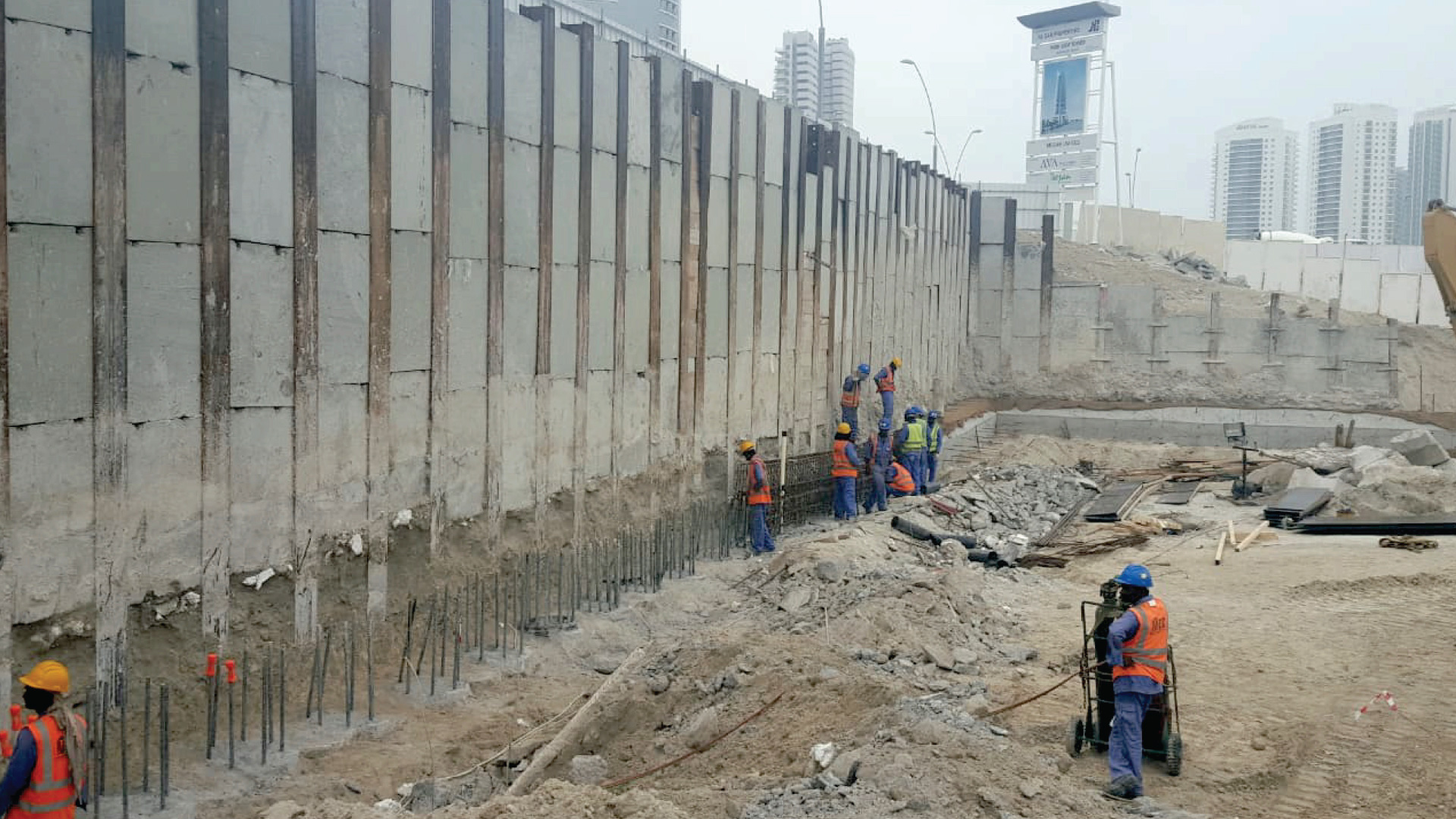
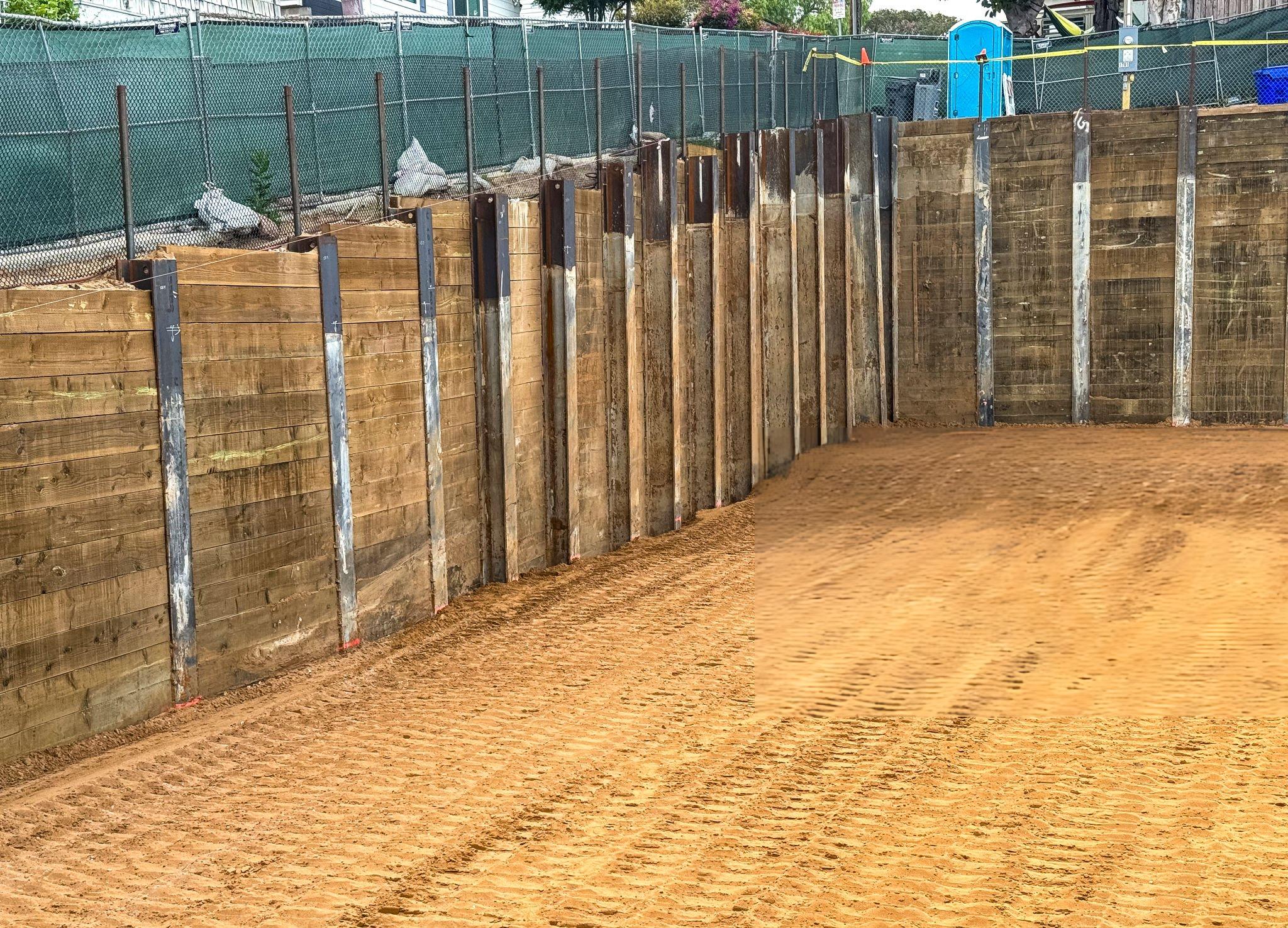
King post/soldier piles and lagging walls are a cost effective system of temporary or permanent retaining wall using beams and pre-cast concrete panels. They are used for retention applications and heights in different ground conditions including rock.Soldier piles are also used for basements, embankment retention and flood defence walls. Lagging walls are a simple and quick installation method. They comprise drilling a hole with a high powered, continuous flight auger (CFA) piling rig, filling it with concrete, then installing an H beam. This allows concrete pre-stressed panels or sleepers to be inserted between the webs of the H sections. Excavation then results in the finished embedded retaining wall.
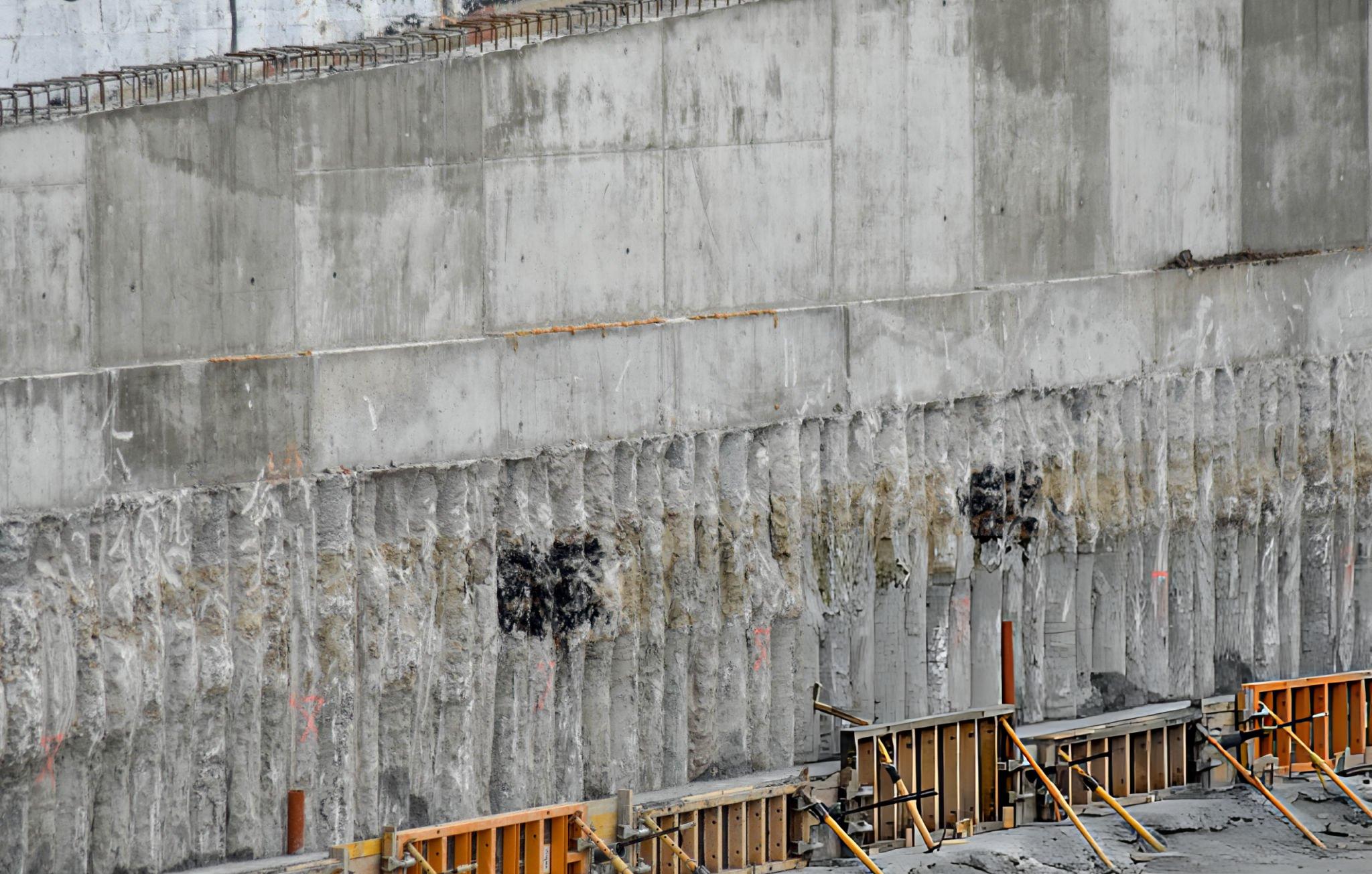
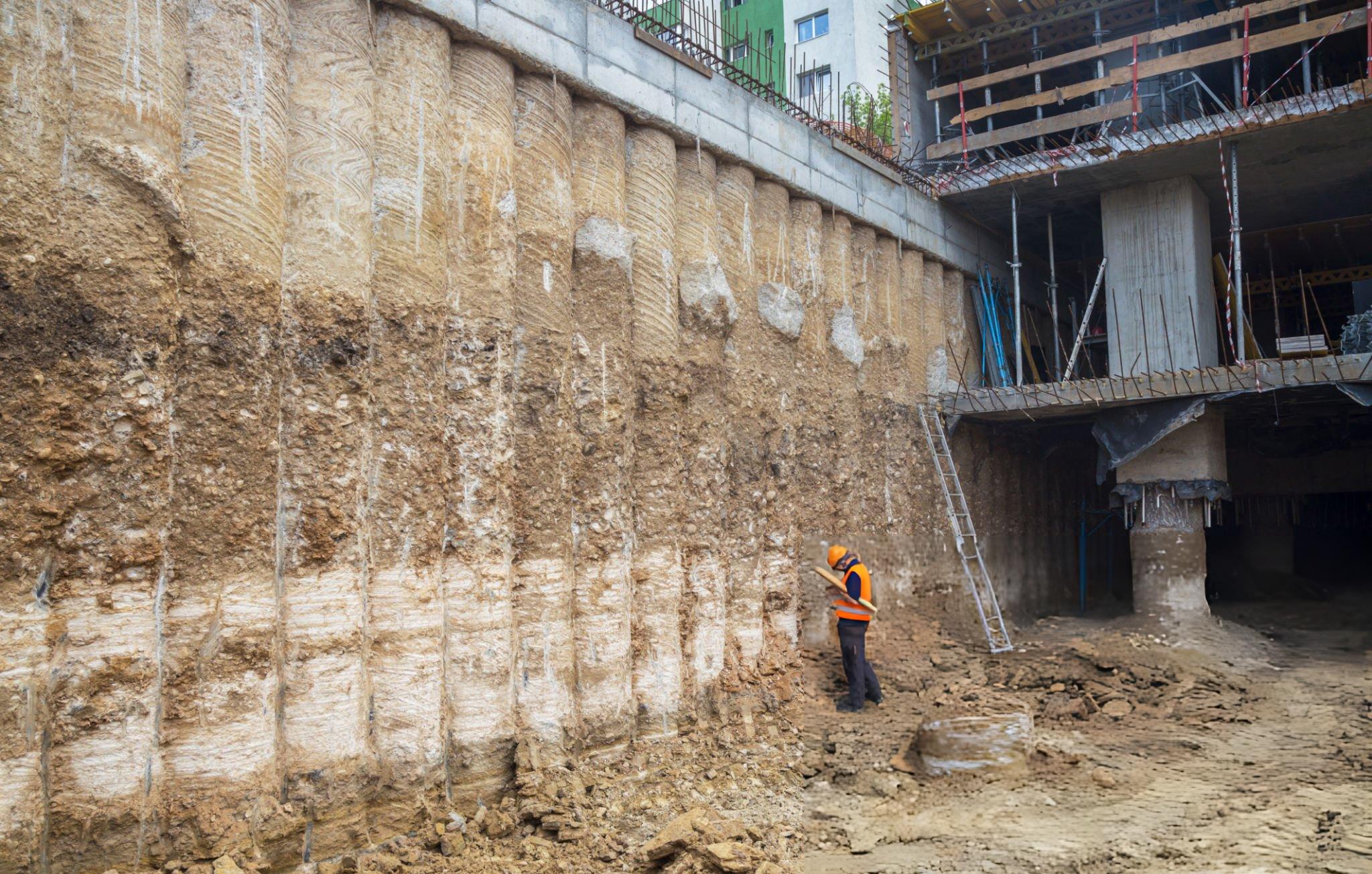
Contiguous piles are a type of retaining wall system used in construction to provide structural support and soil stabilization, particularly in excavations or areas with challenging ground conditions. This technique involves installing a series of reinforced concrete piles in a straight line, with small gaps between each pile. Unlike secant piles, which overlap, contiguous piles do not interlock, making them more suitable for situations where water retention is not a primary concern. The gaps between the piles allow for drainage, which can be beneficial in stable soil conditions. Contiguous piles are often used in the construction of basements, underground structures, and slope stabilization projects, offering a cost-effective and efficient solution for retaining soil while maintaining structural integrity. Their simplicity and adaptability make them a popular choice for a wide range of construction applications.
Secant piles are an advanced foundation technique used to create robust retaining walls or cutoff walls, particularly in deep excavations or areas requiring groundwater control. This method involves constructing overlapping concrete piles in an interlocking pattern, where primary (soft) piles are installed first, followed by secondary (hard) piles that cut into the primary ones. The result is a continuous, watertight barrier that provides both structural support and groundwater containment. Secant piles are commonly used in urban construction projects, such as basements, tunnels, and underground parking structures, where space constraints and soil conditions demand a strong, impermeable solution. By combining strength and versatility, secant piles offer an effective way to stabilize excavations and protect adjacent structures during construction.
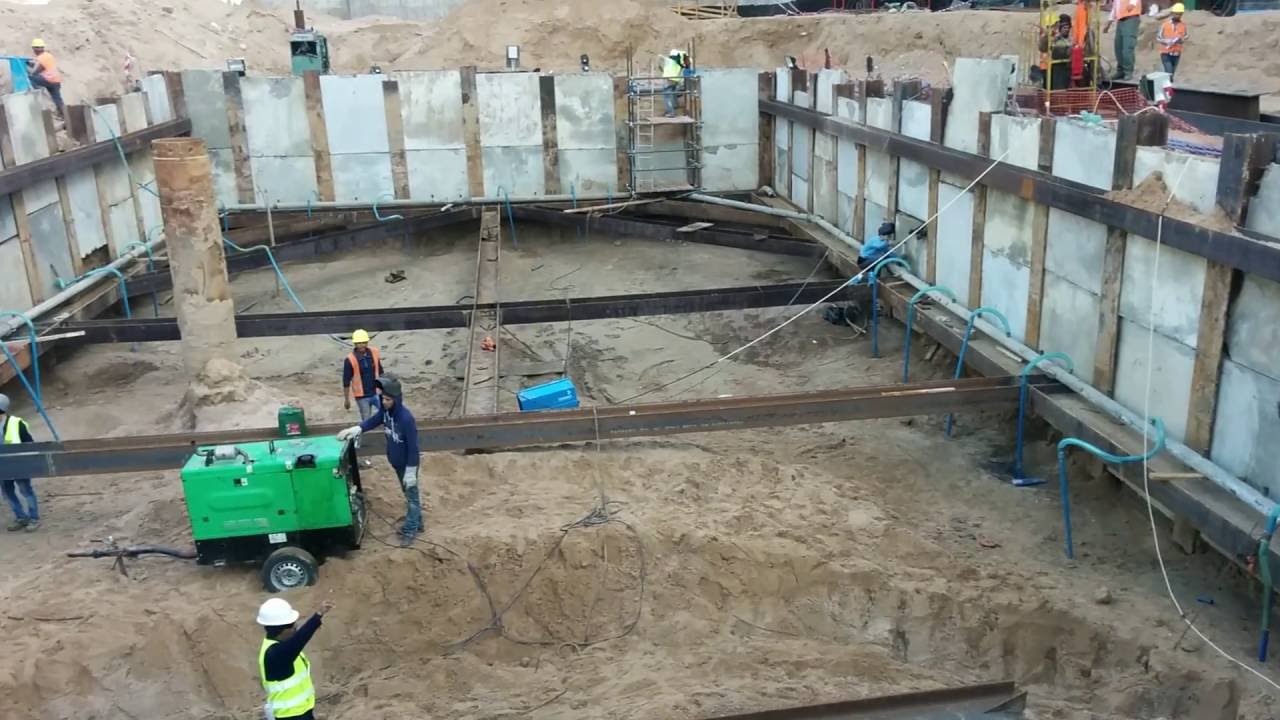
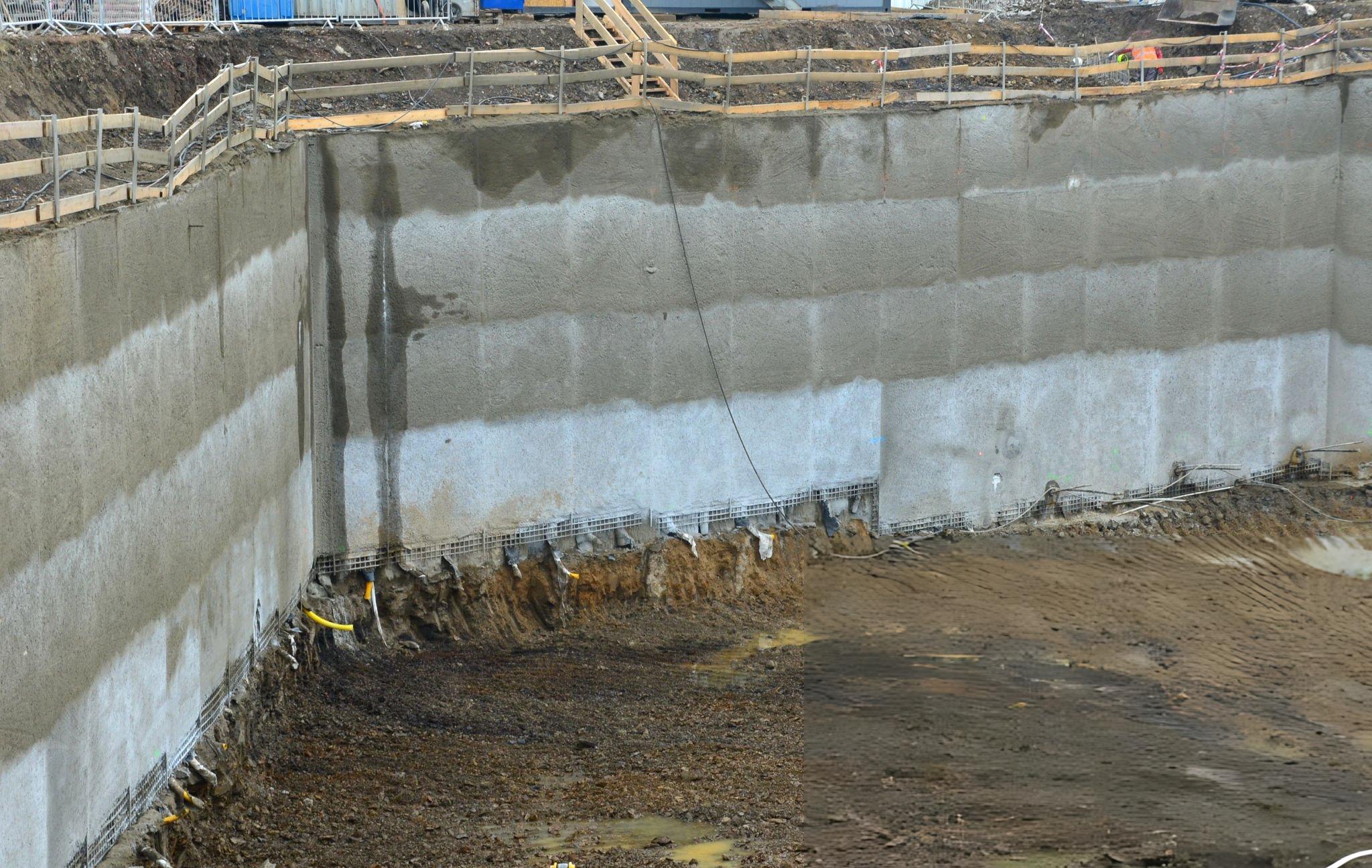
Shoring works are a vital component of construction projects, providing temporary support to stabilize structures, excavations, or adjacent buildings during construction or renovation. This process involves installing sturdy systems, such as hydraulic shoring, beam and plate shoring, or trench boxes, to prevent collapses, soil movement, or structural failures. Shoring is particularly essential in deep excavations, underground construction, or when working near existing structures, as it ensures the safety of workers and the stability of the site. By offering reliable temporary support, shoring works enable construction activities to proceed safely and efficiently, minimizing risks and ensuring the integrity of the project until permanent structures are in place.
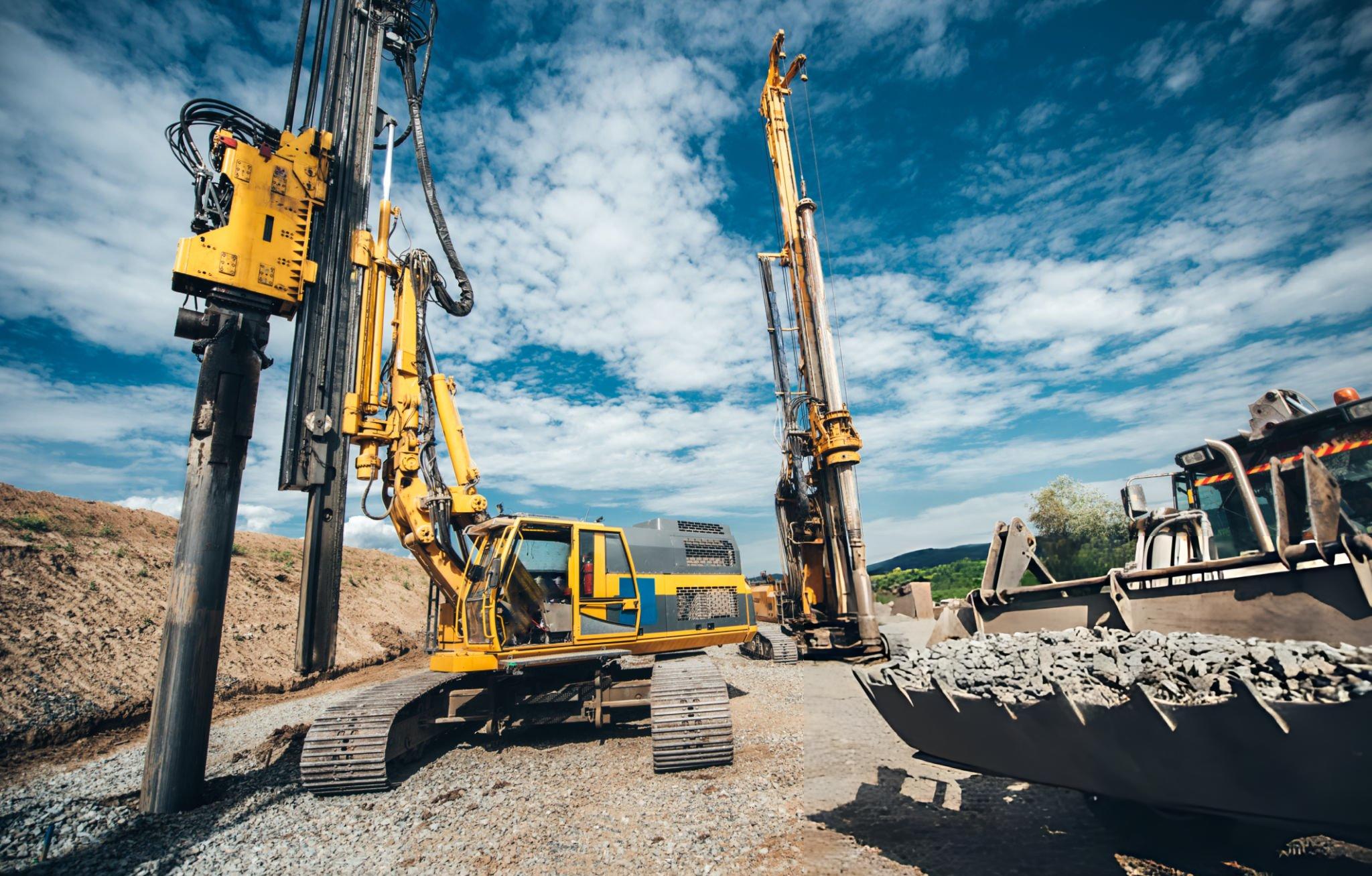
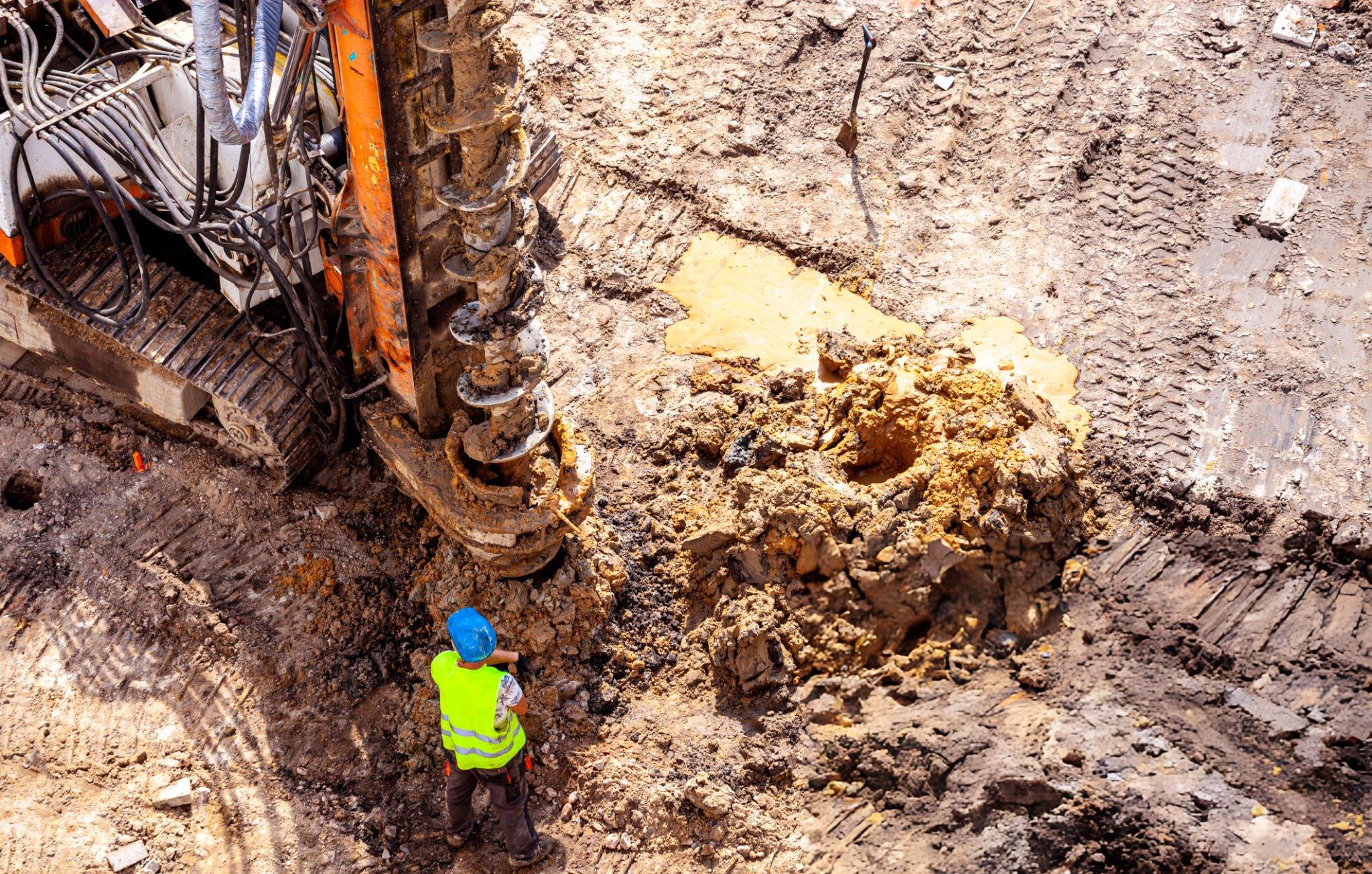
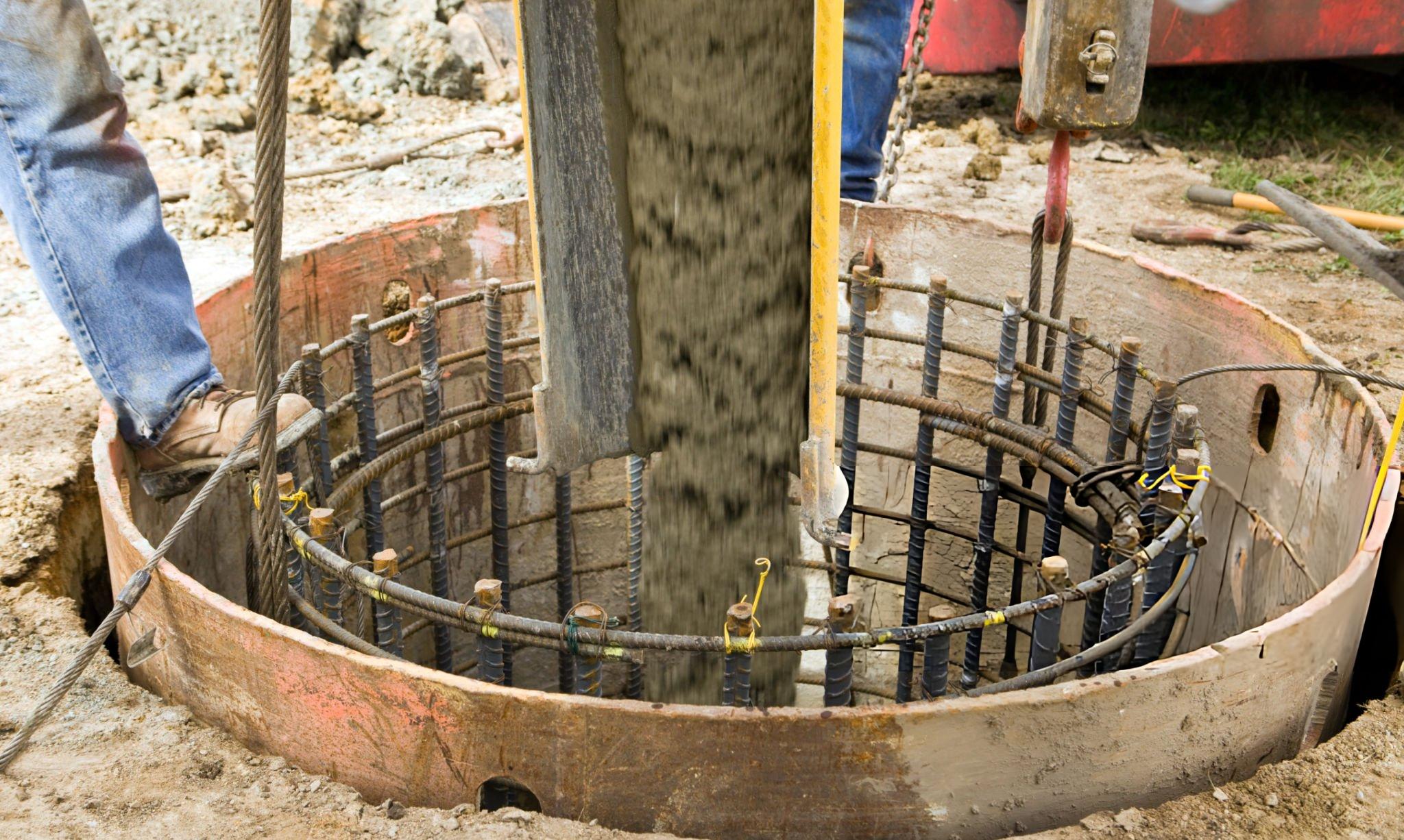
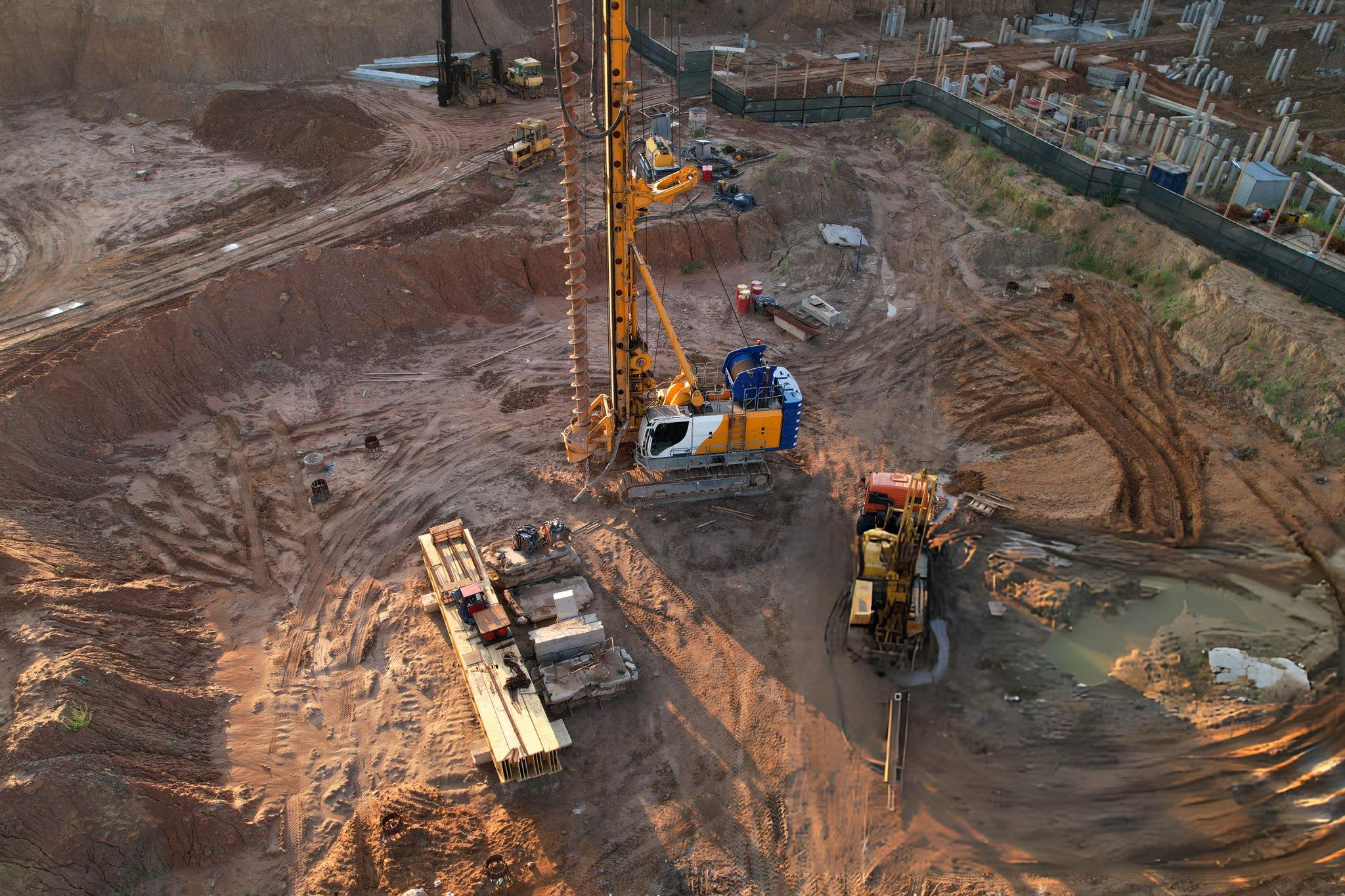
Piling works are essential construction activities aimed at ensuring strong and stable foundations for various structures. By driving piles—long, sturdy columns made of materials like concrete, steel, or timber—deep into the ground, piling provides critical support, especially in areas with weak or unstable soil conditions. This process transfers the load of the structure to deeper, more stable layers of soil or rock, preventing settlement and enhancing durability. Piling is commonly used in the construction of high-rise buildings, bridges, and other large-scale infrastructure projects, where a solid foundation is paramount for long-term stability and safety. Properly executed piling works ensure that structures can withstand environmental stresses, such as earthquakes or heavy loads, while maintaining their integrity over time.